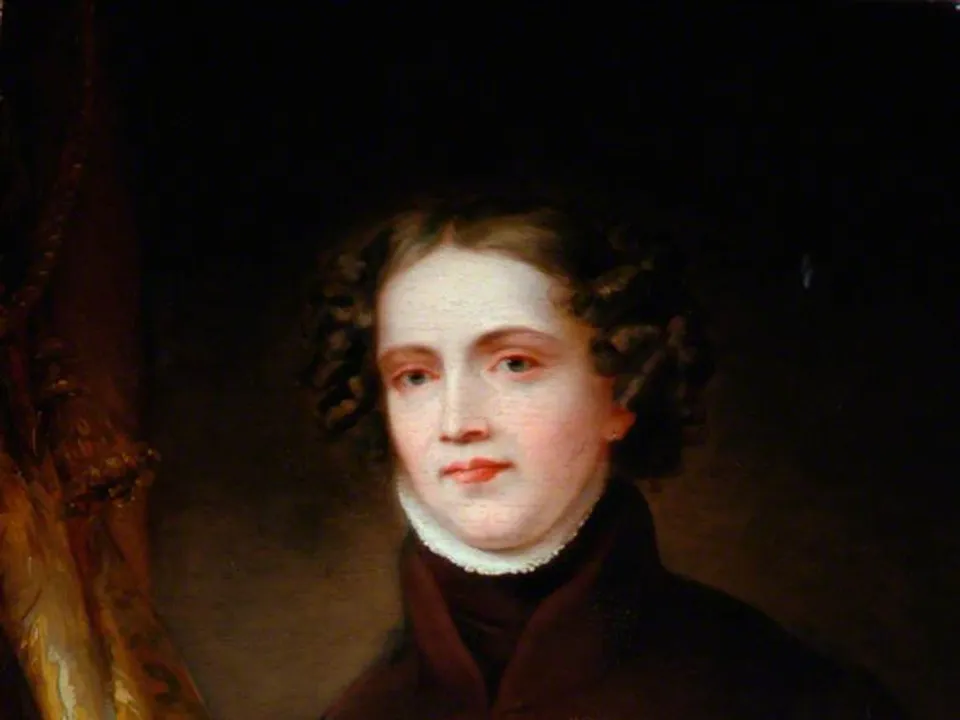
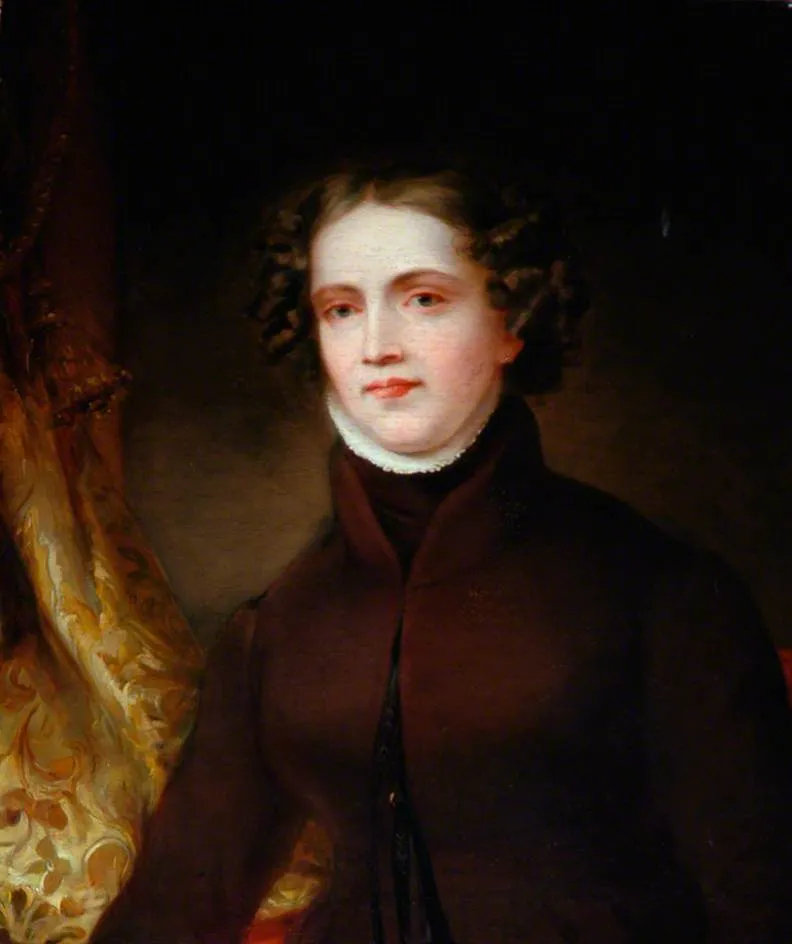
The Yorkshire landowner who wrote about loving women in a code of her own, and married Ann Walker in a York church in 1834.
Her story → Start here
The Women.who loved women in Jane Austen’s day
In this section
They kept diaries in code, ran away together, sued for libel and built homes that people traveled across the country to visit. Start with the two couples we know the most about, then meet the rest.
Their Stories
start with these
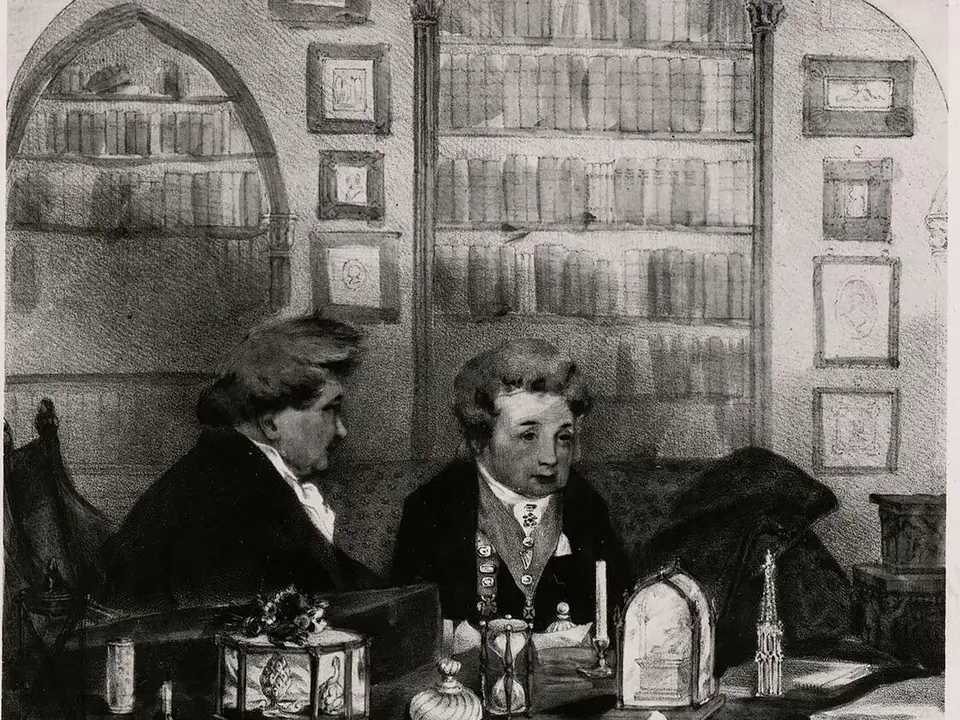
Two Irish gentlewomen who ran away together in 1778 and spent fifty years in a cottage in Wales.
Their story →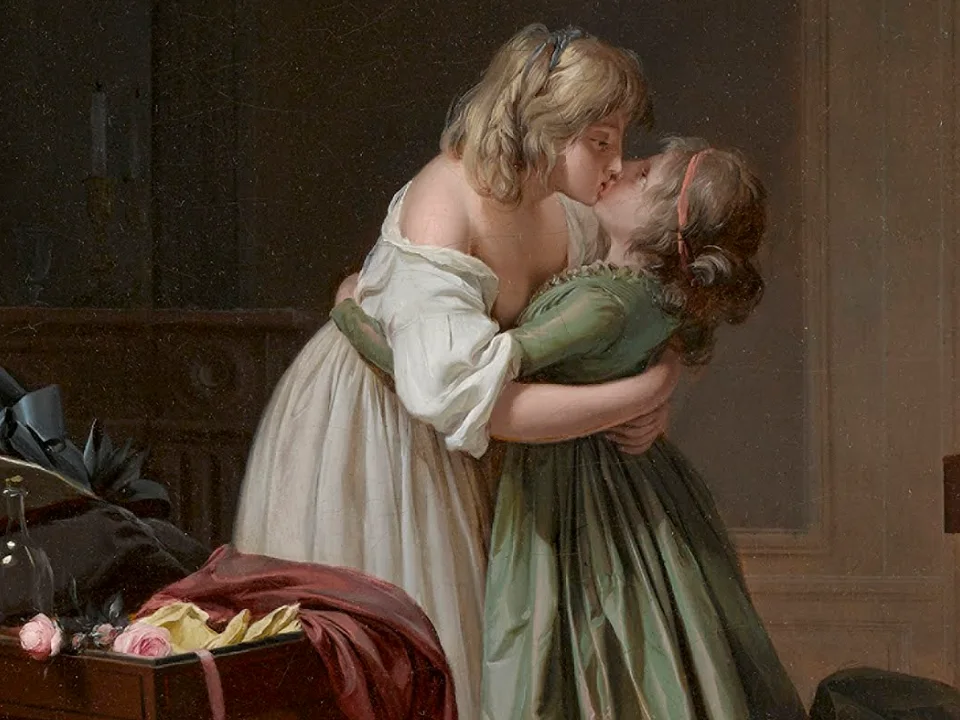
Bridgerton’s next season is a love story between two women. The real Regency says it could have happened.
Make the case →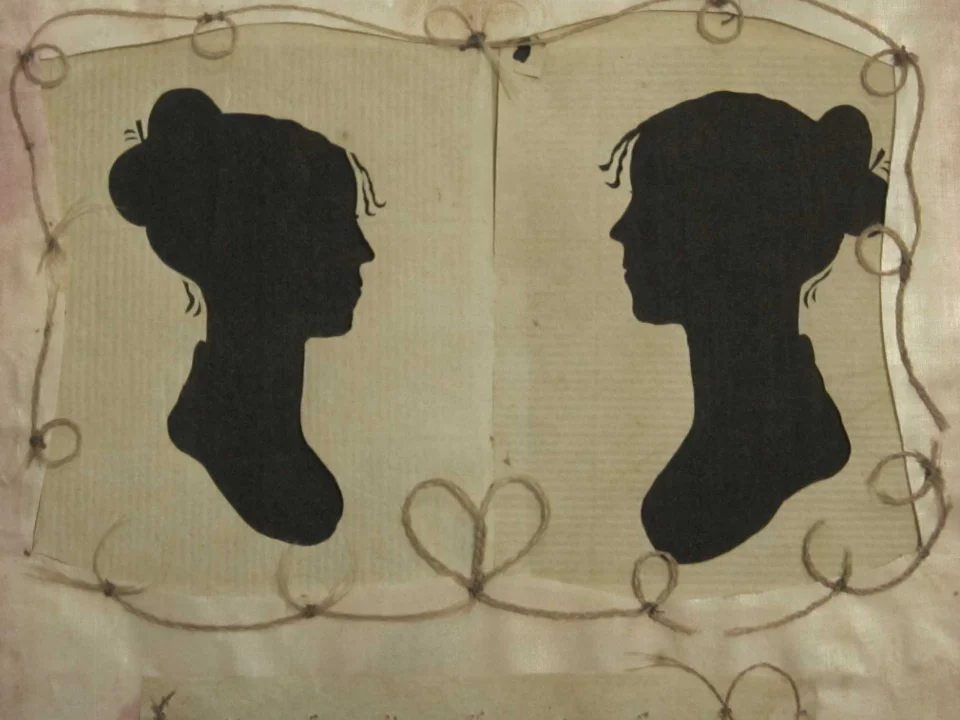
Two women who met in 1807, ran a tailor’s shop and shared a home for 44 years. Her nephew called it a marriage.
Their story →
Here from Bridgerton?
Francesca and Michaela
could it have happened in the real Regency?
Bridgerton’s next season belongs to Francesca and Michaela. The women on this site say their love story could have happened, and some of them got there first.
Make the case →More for Bridgerton fans, on emmashorebreak.com
Other Women of the Era
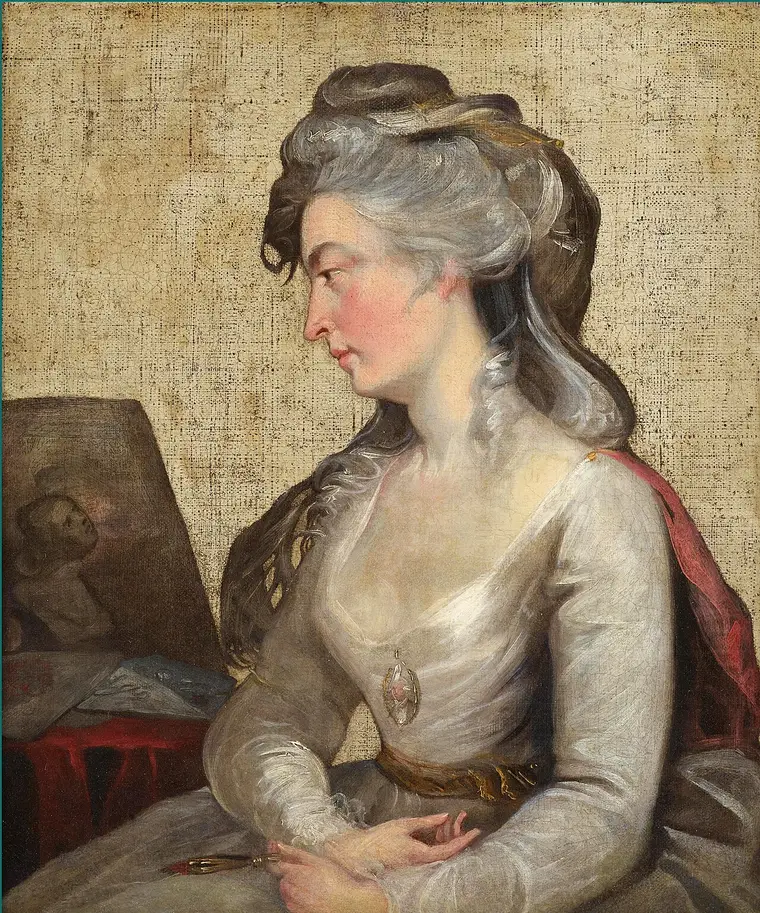
Anne Damer and Mary Berry
Anne Seymour Damer was a sculptor at a time when hardly any women were, and Horace Walpole, her father’s cousin, left her his house, Strawberry Hill. She dressed in a masculine way and had intense friendships with women, and the gossip followed her. Hester Thrale’s diary is quoted calling her “a Lady much suspected for liking her own Sex in a criminal Way.” Walpole introduced her to the writer Mary Berry in 1789, and Damer’s letters call Berry “my only earthly comfort.” She denied the rumors, and historians still argue about how to read the two of them, but nobody argues about how much she loved her.
Marianne Woods and Jane Pirie
In 1810 a pupil at their girls’ school in Edinburgh told her grandmother, Dame Helen Cumming Gordon, that the two schoolmistresses shared a bed and more. Every pupil was pulled out within days. Woods and Pirie sued for libel in 1811 and fought the case for years. But their school and their livelihoods were gone. A century later the story inspired Lillian Hellman’s play The Children’s Hour. It’s the clearest picture we have of what an accusation could cost.
Anna Seward and Honora Sneyd
Anna Seward was a poet in Lichfield, and her sonnets show how much she loved Honora Sneyd, a girl the Sewards took in at five and raised as a foster sister. When Honora married Richard Lovell Edgeworth in 1773, Seward took it as a betrayal. Honora died of consumption in 1780, and Seward wrote about her, and about losing her, for the rest of her life. Scholars still argue over how to read those poems. Seward was also a guest of the Ladies of Llangollen, and in 1796 she published Llangollen Vale, a long poem in their honor that calls them “the peerless Twain” and praises their “Friendship’s blest repose.”
Britain and France were at war for most of these years, but women loved women on both sides of the Channel.
Madame de Staël and Juliette Récamier
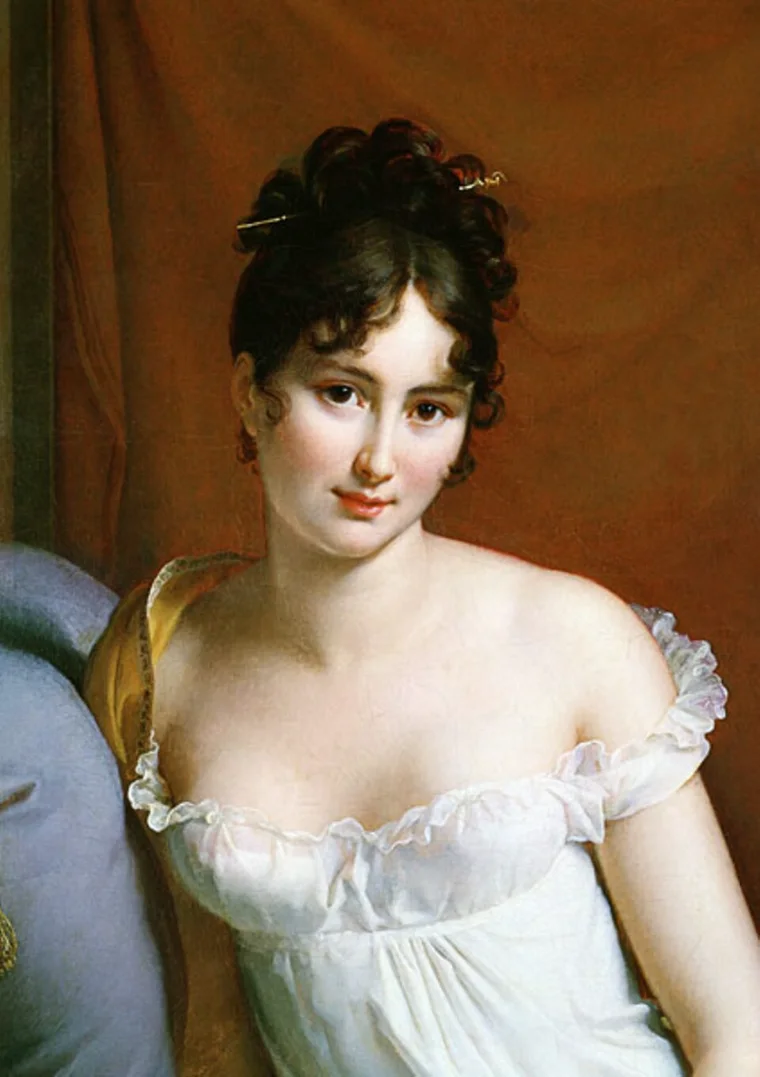 François Gérard, Musée Carnavalet
Germaine de Staël was the most famous woman writer in Europe and a thorn in Napoleon’s side. Juliette Récamier was the most admired beauty in Paris. The portrait is her when she was 28ish, and NGL I can’t disagree. Their friendship lasted about twenty years, and their letters are passionate enough that scholars include them among the love letters of the Napoleonic era. In 1811 Récamier went to see Staël at her house in Coppet, Switzerland. Napoleon banished her from Paris for it. She didn’t come back until the Empire fell.
Mademoiselle Raucourt
Françoise Raucourt was a tragic actress at the Comédie-Française from 1772. Her name was linked with women all her life. She was said to dress as a man to visit them, and gossips claimed she had “married” the singer Sophie Arnould. Revolutionary pamphlets named her as one of Marie Antoinette’s lovers, and she was arrested during the Terror. She survived it, and later Napoleon gave her a pension. When she died in January 1815, the clergy of Saint-Roch refused to take her body, and accounts say the mourners broke down the church doors.
Marie Antoinette and the pamphlets
Before and during the Revolution, French pamphlets accused Marie Antoinette of affairs with women, above all with her closest friends, the Princesse de Lamballe and the Duchesse de Polignac. Historians treat them as political pornography written to make the queen look depraved, not as evidence of anything. I guess we will wonder if she ate more than cake. The hatred behind them was dangerous, though. On 3 September 1792, during the September Massacres, a mob killed the Princesse de Lamballe and carried her head on a pike to the Temple, where the royal family was held. Like the Edinburgh case above, it shows how the charge of loving women could be turned into a weapon.
Why “Sapphic”? It’s Older Than You Think
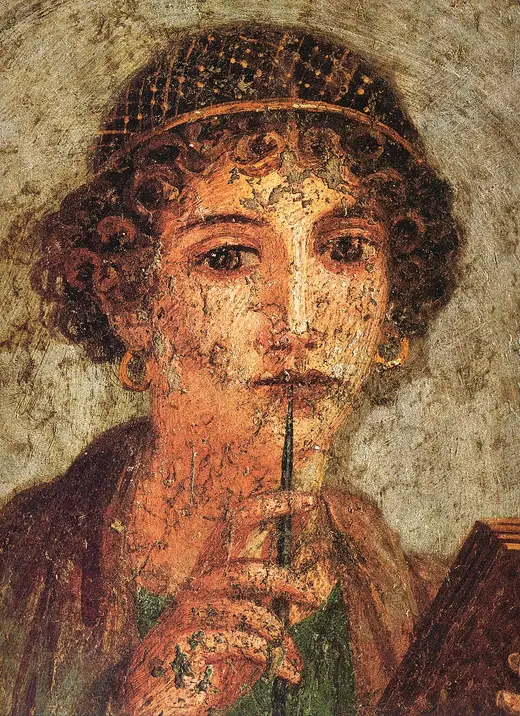
Both of the words we use today come from one Greek woman. Sappho was a poet on the island of Lesbos around 600 BC, and she wrote about desire for women. “Sapphic” comes from her name, and “lesbian” comes from her island. When queer women call themselves sapphic now, they’re reaching for a word far older than the Regency.
It’s the word I’ve used for myself since I came out, and I love it. It’s an umbrella. It covers women who love women without pinning anyone to one label. It’s also about 2,600 years old, which, for a history nerd who grew up loving Greek mythology, is hard to beat.
The women in this section would have known it too. By the late 1700s, “sapphist” was already being used for women who loved women, mostly in gossip and satire, and the sculptor Anne Damer had it thrown at her. Polite society said “romantic friendship” instead, and the slang word was “tommy.” “Lesbian” didn’t settle into its modern meaning until later in the 1800s. So the name on this section isn’t a modern label pasted onto the past. It’s close to what they’d have heard themselves.
It also fits the Regency’s great obsession, ancient Greece. Fashionable women wore high-waisted white muslin gowns cut to make them look like Greek statues. Parliament bought the Elgin Marbles for the British Museum in 1816, and educated people read the Greek poets. Sappho came along with all of it. The poet Mary Robinson, nicknamed “the English Sappho,” published a whole sonnet sequence, Sappho and Phaon, in 1796. It retells the old legend that Sappho died for love of a boatman, which tells you how hard some people worked to make her straight. Lord Byron’s Don Juan remembers “The isles of Greece” as the place “Where burning Sappho loved and sung.” The women walking around in Greek-statue gowns knew her name, and some of them knew exactly what it meant.
Want the evidence in their own words? Read Sapphists and Tommies, with Hester Thrale’s diary, the slang word “tommy” and the judges who didn’t want to believe it.
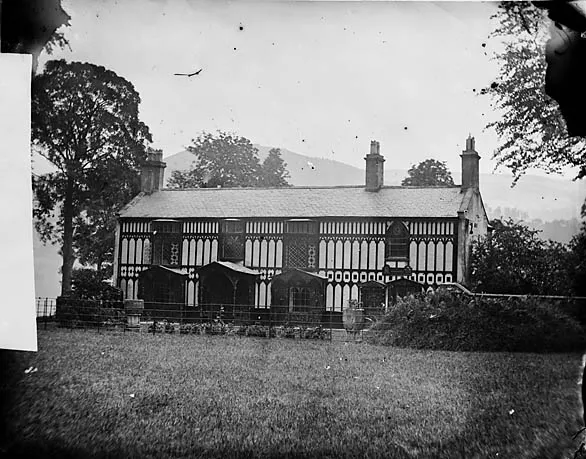
The Sapphic Regency Map
six real places, three journeys
From Kilkenny, where the Ladies began, to Plas Newydd, Shibden Hall, the church in York, an Edinburgh schoolroom and Strawberry Hill.
Open the map →What Their World Was Like
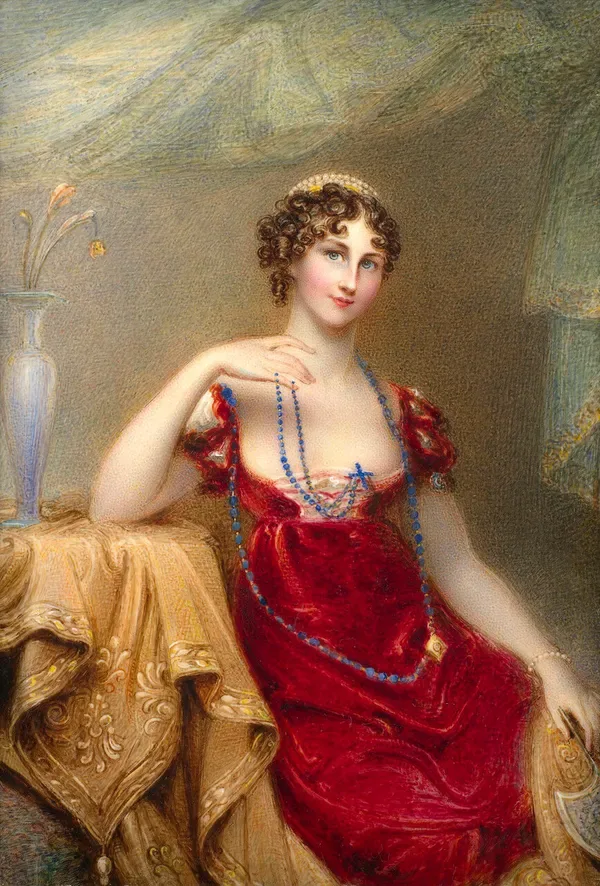
the same world as Austen’s heroines
 Hour by hour
 Year by year
 Letters
 Pounds
More from their world
- emmashorebreak.com · WordsA Regency Glossary
- emmashorebreak.com · The wardrobeThe Regency Dressmaker
- emmashorebreak.com · FashionWhat Women Wore in 1813
- emmashorebreak.com · BridgertonThe Ton vs Austen’s Gentry
- VermontCharity Bryant and Sylvia Drake
- The wordsSapphists and Tommies
- The artSapphic Art
- 1820Two Dear Friends
- TravelsThe Sapphic Regency Map
- ReadingSapphic Regency Romance Books
Sapphic Regency Questions
Were there lesbians in Regency England?
Yes. The best-documented is Anne Lister, whose diaries describe her relationships with women in detail. Eleanor Butler and Sarah Ponsonby, the Ladies of Llangollen, lived together for about fifty years and were visited by some of the most famous people of the day.
Was being a lesbian illegal in Regency England?
There was no English law against sex between women, unlike the laws against sex between men. That didn’t make it safe. Women could lose their reputations, their livelihoods and their families, which is what happened to the two Edinburgh schoolteachers above.
What did people call sapphic women in the Regency?
Gossip and satire used “sapphist,” from the Greek poet Sappho, and the slang word was “tommy.” Polite society said “romantic friendship.” Anne Lister wrote about her love for women openly in her code and more carefully in plain English.
Where does the word sapphic come from?
From Sappho, a Greek poet on the island of Lesbos around 600 BC who wrote about desire for women. “Lesbian” comes from her island. The Regency loved ancient Greece, so educated people knew her name.
Is Gentleman Jack a true story?
Yes. It’s based on the diaries of Anne Lister of Shibden Hall, and much of the dialogue comes from what she wrote. My Gentleman Jack rewatch guide goes episode by episode.
Who were the Ladies of Llangollen?
Two Irish gentlewomen, Eleanor Butler and Sarah Ponsonby, who ran away together in 1778 and made a home in Llangollen, Wales. Their full story is here.
Did Anne Lister meet the Ladies of Llangollen?
Yes, in July 1822, while touring north Wales with her aunt. She was fascinated by them and wanted to know what their life together was like.