An EssaySapphic Regency
The Ladies of Llangollen
Eleanor Butler, Sarah Ponsonby, and a cottage in Wales
In 1778 two well-born Irishwomen ran away together. Their families brought them back once and failed the second time. They settled in a cottage outside the Welsh town of Llangollen, renamed it Plas Newydd, and lived there together for half a century.
They never hid, and somehow they became one of the sights of the age. Dukes, poets and at least one fellow sapphic diarist made the trip to see them.
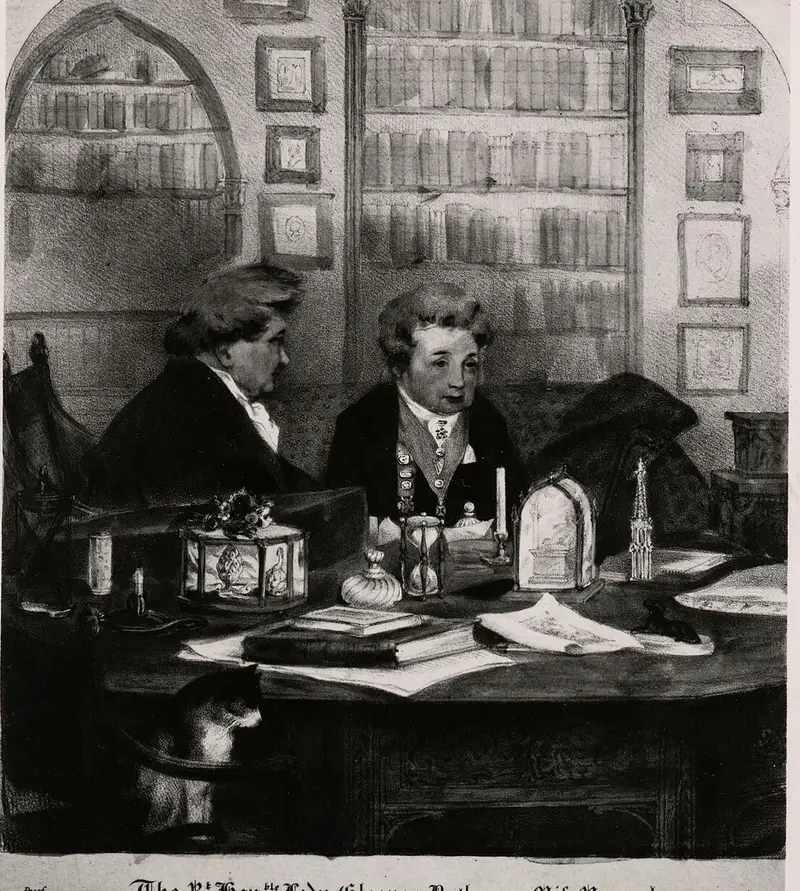
Two tries to get away
As someone who grew up going to Ireland, I was drawn to the Llangollen story.
Eleanor Butler came from one of Ireland’s grandest families, the Butlers of Kilkenny Castle. She was clever, bookish and in her late thirties, and her family was talking about sending her to a convent. Sarah Ponsonby was sixteen years younger, an orphan living with relatives, and she was trying to avoid the attentions of the man of that house. They met in Kilkenny and became inseparable.
In the spring of 1778 they slipped out at night dressed as men, carrying a pistol, and headed for the port at Waterford. Their families caught them. They didn’t give up. A few weeks later, worn down, the families let them go, and the pair sailed for Wales with Mary Carryl, the servant who would run their household for the next thirty years.
A cottage that became a destination
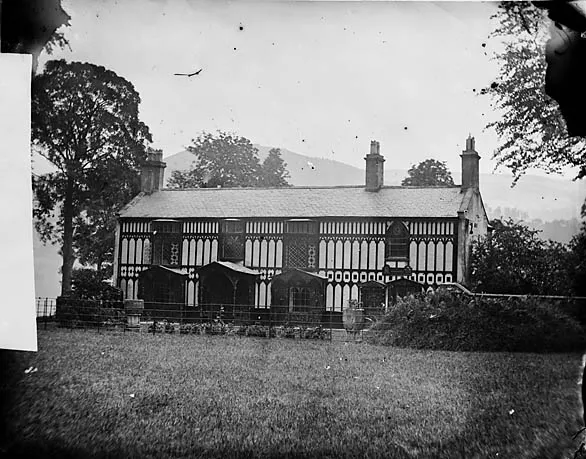
By 1780 they had settled at Plas Newydd, a modest house they spent the rest of their lives filling with carved oak, books and garden. They read together, wrote letters, studied languages and kept a careful account book. Eleanor kept a journal in which Sarah is “my Beloved.”
Money was always tight, and eventually they were granted a royal pension, said to have come on Queen Charlotte’s advice. There’s even a story that the Queen and other members of the royal family came to Llangollen to see them for themselves. It’s repeated often, but nobody has found proof that she ever made the trip. Bridgerton fans will like it either way. They also became famous. Visitors listed at Plas Newydd include the Duke of Wellington, Lord Byron, William Wordsworth and Charles Darwin. Wordsworth wrote them a sonnet. In powdered hair and riding habits, the two of them were more celebrated than the people who came to look at them.
Friends, the world said
Polite society called what they had a romantic friendship, and the label let them live in peace. When newspapers hinted at more, the Ladies were furious. Two centuries later we can see that they shared a bedroom, a purse and a life, that each chose the other over every alternative, and that they rarely spent a night apart. When Anne Lister visited in 1822, she was trying to work out the same question we are. She wanted to know whether they were what she was.
Buried together
Mary Carryl died in 1809 and was buried at St Collen’s church in Llangollen. Eleanor died in 1829, and Sarah followed in 1831. They were buried with Mary, and the three names share one monument in the churchyard. Plas Newydd is open to visitors today, and the churchyard is a short walk away. I would love to visit Plas Newydd. Honestly, I picture how they were portrayed in The Unruly Heart of Miss Darcy when I think of them.
Quick Questions
Who were the Ladies of Llangollen?
Lady Eleanor Butler (1739 to 1829) and Sarah Ponsonby (1755 to 1831), two Irish gentlewomen who ran away together in 1778 and lived the rest of their lives at Plas Newydd in Llangollen, north Wales.
Were the Ladies of Llangollen a couple?
They shared a home, a bed, a household and fifty years, and they called each other “my Beloved.” Some visitors and newspapers hinted at more, and the Ladies took offense. Whatever words they would have used, theirs was the central love of both their lives.
Can you visit Plas Newydd in Llangollen?
Yes. The house is open to visitors as a museum, with its carved oak and gardens. Check the opening season before you go.
Who visited the Ladies of Llangollen?
The Duke of Wellington, Lord Byron, William Wordsworth and Charles Darwin are all listed among their visitors. Anne Lister called in July 1822. There’s also a story that Queen Charlotte visited, but it’s never been proven.
Who was Mary Carryl?
Their servant, who came with them from Ireland and ran the household for decades. She died in 1809 and is buried at St Collen’s church in Llangollen, and the Ladies were later buried beside her under one monument.
Did Jane Austen know about the Ladies of Llangollen?
There’s no sign of it in her novels or in the letters we have. But only about 160 of her letters survive. Her sister Cassandra burned most of the rest years after Jane died, and historians still wonder what was in them. The Ladies were famous in fashionable society during Austen’s lifetime, so she would have had plenty of chances to hear of them.
Sources
The Ladies of Llangollen print is Richard James Lane’s lithograph after Mary Parker, and the photograph of Plas Newydd is by John Thomas, about 1875. Both are public domain, via the National Library of Wales. Dates and visitors come from Cadw, English Heritage, the National Archives and the Dictionary of Welsh Biography.
Keep Reading
Back to Sapphic Regency →