An EssaySapphic Regency
Anne Lister
Landowner, traveler, diarist, and wife to Ann Walker
Anne Lister was born in Halifax in 1791, so she was a young woman when Jane Austen’s novels were coming out. She grew up to run her family’s estate, sink coal pits, climb mountains and keep one of the most remarkable diaries in English history.
She also loved women, and she wrote it down. That’s why we know her so well, and why Gentleman Jack could be made at all.
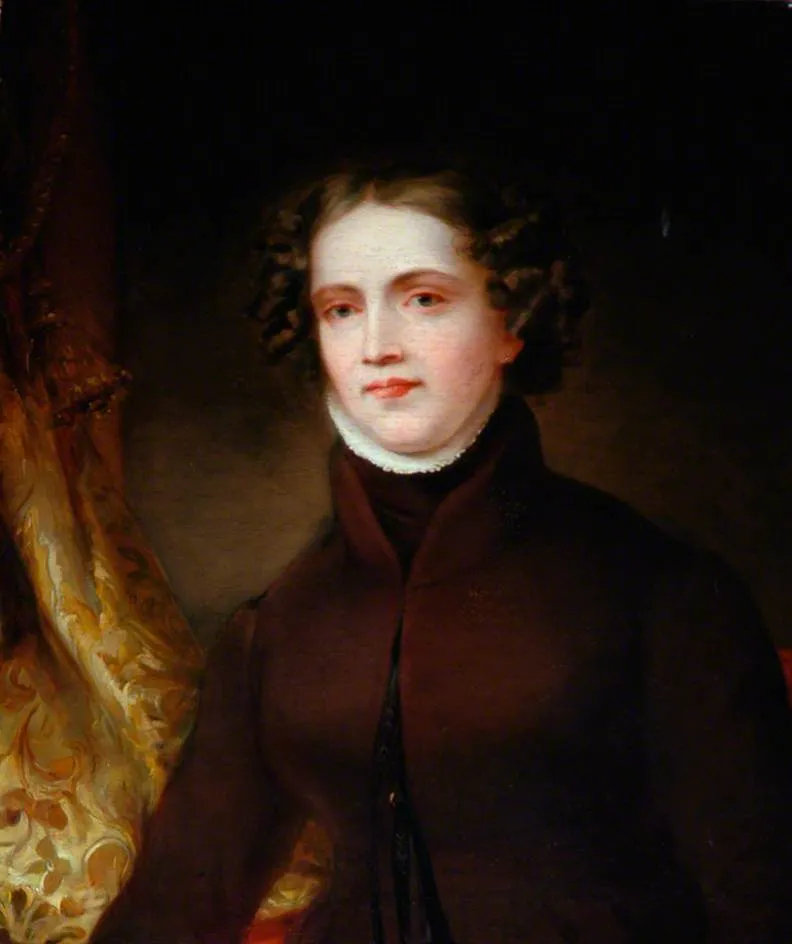
A gentlewoman who ran her own estate
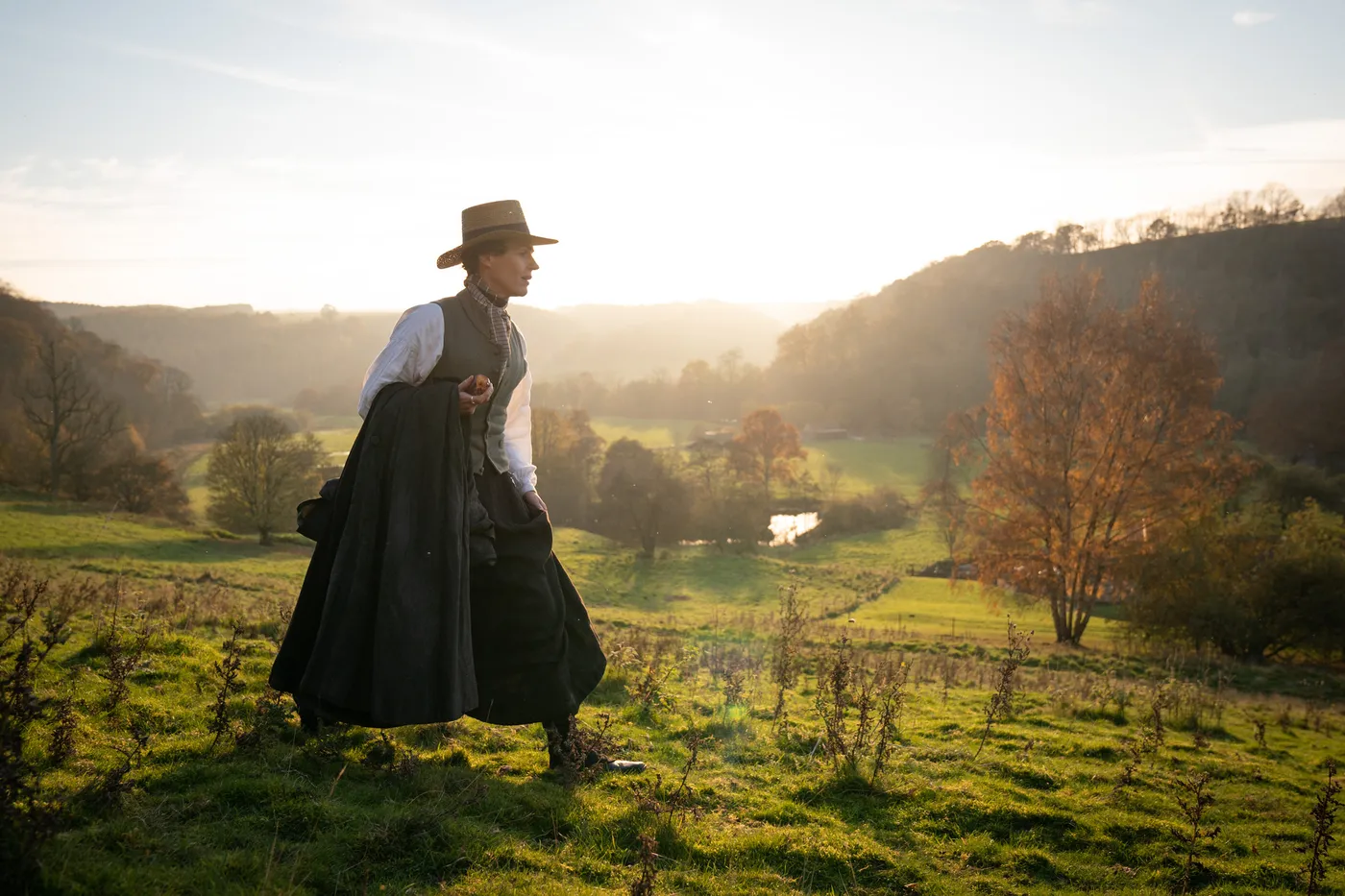
When I first heard about Anne Lister, as a young queer woman, I was like oh damn she is a badass. I still am. And I was obsessed to learn more about her.
Shibden Hall is an old timber-framed house on a hillside outside Halifax. The Listers had owned it for generations. Anne moved there to live with her uncle and aunt, and she became the heir her uncle trusted to run it. After he died in 1826, she managed the estate herself, collecting rents, improving the land and, most famously, opening coal pits on it.
Think of Austen’s heroines, who can’t inherit and have to marry to keep a roof over their heads. Anne Lister had the roof. She dressed in black, walked everywhere, read widely and argued business with men who didn’t like it. The people of Halifax called her “Gentleman Jack” behind her back.
You can visit Shibden Hall today. It’s run as a museum by Calderdale Council, and the show filmed there.
Millions of words, and a code
Lister kept a diary from her teens until she died, and it fills more than two dozen volumes. Most of it is plain English about weather, money, walks, books and visits. About a sixth of it is in a code she called her crypthand, mixing Greek letters, numbers and symbols. That’s where she wrote about the women she loved, in detail.
In the 1890s a relative, John Lister, worked out the code with his friend Arthur Burrell. When they saw what it said, Burrell advised burning the diaries. John Lister hid them behind a panel at Shibden instead. The historian Helena Whitbread later published decoded selections, beginning with I Know My Own Heart in 1988. That’s when the wider world met her.
Mariana, and then Ann Walker
The great love of Lister’s younger years was Mariana Belcombe. In 1816 Mariana married Charles Lawton, an older and richer man, for security, and the two women carried on a relationship for years around that marriage. If that sounds like an Austen plot, it’s because the money pressures were the same. Mariana did exactly what Charlotte Lucas does, and Lister never quite forgave her for it.
In 1832 Lister began courting Ann Walker, a quiet, wealthy heiress from the neighboring estate. Ann was anxious and often unwell, and her family was suspicious. On Easter Sunday 1834, the two women took communion together at Holy Trinity Church, Goodramgate, in York. Afterwards they considered themselves married. Ann moved into Shibden, and they lived there as a couple. Lister’s will left Ann a life interest in the estate.
As a femme, I feel like I’m more compelled to want to have met Ann Walker than Anne Lister, which is interesting.
The rainbow plaque at Holy Trinity, put up by York Civic Trust in 2018, was the first of its kind in the UK.
Her visit to the Ladies of Llangollen
In July 1822 Lister toured north Wales with her aunt, and she made sure the trip went through Llangollen. She wanted to meet Eleanor Butler and Sarah Ponsonby, the two Irishwomen who had lived together there since 1780. By then Eleanor was very old and nearly blind, so Lister mostly spoke with Sarah. She noted the little library in their cottage and came away wondering about the true nature of their life together. Here was a famous couple of women, living as she hoped to live, and nobody would say plainly what they were.
Paris, and Maria Barlow
Britain and France had only been at peace for nine years when Lister went to Paris in September 1824. She stayed until the end of the following March, and there she met Maria Barlow, the widow of a British army officer, who was living in the city with her teenage daughter. Lister’s first notes on her in the diary aren’t flattering, but she set out to win Maria, and she did.
It didn’t settle anything. Lister was still tied to Mariana, and Maria had neither the rank nor the money Lister wanted in a partner, so she kept looking even while the affair went on. She went back to Paris with her aunt in the autumn of 1826 and took up with Maria again. Helena Whitbread’s No Priest But Love covers these Paris years from the diaries.
The mountains and the last journey
Lister traveled more than almost any Englishwoman of her time. In 1838 she became the first tourist recorded at the top of the Vignemale in the Pyrenees, beating a French prince by four days. In 1839 she and Ann set out for Russia and the Caucasus. Anne Lister died of a fever near Kutaisi, in present-day Georgia, on 22 September 1840. Ann brought her body home, a journey of months, and she was buried in Halifax. I also am obsessed with how often Lister traveled, as someone who loves traveling.
Watching her story on screen? My Gentleman Jack rewatch guide follows the show episode by episode.
Quick Questions
Was Anne Lister real?
Yes. Anne Lister (1791 to 1840) owned and ran the Shibden Hall estate near Halifax in Yorkshire. Gentleman Jack is based on her diaries.
Why was Anne Lister called Gentleman Jack?
It was a nickname people in Halifax used for her, and it wasn’t meant kindly. It mocked the way she dressed in black, walked and did business like a man. The show took it back as a title.
Did Anne Lister and Ann Walker get married?
Not legally. On Easter Sunday, 30 March 1834, they took communion together at Holy Trinity Church, Goodramgate, in York, and from then on they considered themselves married. A rainbow plaque at the church marks it today.
How did people decode Anne Lister’s diaries?
About a sixth of the diaries are in her code, which she called her crypthand. Her relative John Lister and his friend Arthur Burrell cracked it in the 1890s, then hid what they found. The full diaries weren’t widely read until much later.
How did Anne Lister die?
Of a fever, on 22 September 1840, near Kutaisi in what is now Georgia, while traveling with Ann Walker. Ann brought her body home to Halifax.
Did Anne Lister know Jane Austen?
No, they never met. They were near contemporaries, though. Lister was twenty-one when Pride and Prejudice came out, and she was a gentlewoman from the same landed world Austen wrote about.
Sources
The portrait of Anne Lister is by Joshua Horner, about 1830, public domain. The Gentleman Jack still is a photograph by Aimee Spinks/HBO. Dates and diary details come from the West Yorkshire Archive Service, the National Archives and York Civic Trust.
Keep Reading
Back to Sapphic Regency →